Introduction
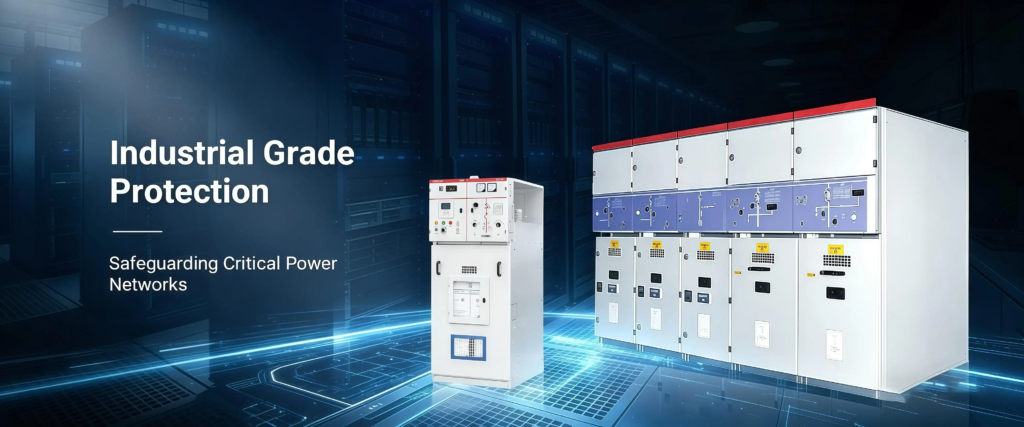
A transformer cabinet plays a critical role in protecting electrical systems and ensuring safe power distribution in commercial, industrial, and residential environments. Control Cabinet As modern electrical infrastructure becomes more advanced, the demand for durable and efficient transformer cabinets continues to grow. These cabinets are specifically designed to house transformers and related electrical components while offering protection against environmental damage, overheating, and unauthorized access.
The increasing use of renewable energy systems, industrial automation, and smart power networks has made transformer cabinets more important than ever. Businesses and utility providers rely on high-quality transformer enclosures to improve operational efficiency and maintain system stability. Whether installed outdoors or indoors, these cabinets provide a secure structure that enhances the lifespan of electrical equipment.
Importance of Transformer Cabinets
Transformer cabinets are essential because they help maintain electrical safety and system reliability. Electrical transformers generate heat and require proper ventilation and protection. A well-designed cabinet prevents moisture, dust, corrosion, and physical damage from affecting sensitive electrical components. This protection reduces maintenance costs and minimizes the risk of power failures.
In industrial settings, transformer cabinets are often exposed to harsh environmental conditions such as rain, heat, and dust. Manufacturers use strong materials like stainless steel, aluminum, and galvanized steel to ensure durability and long-term performance. The cabinets are also designed with advanced locking systems to prevent unauthorized access and improve workplace safety.
Protection Against Environmental Damage
Outdoor transformer cabinets face continuous exposure to changing weather conditions. Without proper protection, transformers can become damaged due to water leakage, humidity, or excessive heat. Modern transformer cabinets include weatherproof sealing systems and ventilation designs that maintain optimal operating conditions.
These cabinets are also coated with anti-corrosion materials to resist rust and chemical exposure. This feature is especially valuable in coastal and industrial regions where environmental conditions can be severe. As a result, businesses can maintain uninterrupted power supply and avoid expensive equipment replacements.
Enhanced Electrical Safety
Safety is one of the primary reasons for using transformer cabinets. Electrical transformers operate at high voltage levels, making them potentially dangerous if left exposed. Transformer cabinets act as a protective barrier that reduces the risk of accidental contact and electrical hazards.
Many cabinets are designed according to international safety standards and include features such as grounding systems, insulated panels, and fire-resistant materials. These safety enhancements protect both workers and the surrounding infrastructure from electrical accidents.
Types of Transformer Cabinets
Different industries require different types of transformer cabinets depending on their power requirements and installation environment. Manufacturers produce various cabinet styles to meet the needs of power utilities, factories, construction sites, and commercial buildings.
Indoor Transformer Cabinets
Indoor transformer cabinets are commonly installed in factories, office buildings, shopping malls, and data centers. These cabinets are designed to operate in controlled environments where weather protection is less important. However, they still provide ventilation, noise reduction, and electrical insulation for efficient transformer performance.
Indoor cabinets often feature compact designs that save space while maintaining accessibility for maintenance and inspections. Their organized structure also improves cable management and operational efficiency.
Outdoor Transformer Cabinets
Outdoor transformer cabinets are built for extreme environmental conditions. They are widely used in power distribution networks, renewable energy plants, and public infrastructure projects. These cabinets include weatherproof construction, UV-resistant coatings, and advanced cooling systems.
Outdoor cabinets must withstand temperature fluctuations, heavy rainfall, and dust accumulation. To achieve this, manufacturers use high-quality sealing technologies and durable materials that ensure long-term reliability and performance.
Custom Transformer Cabinets
Some industries require customized transformer cabinets to meet specific operational demands. Custom cabinets can include additional cooling systems, monitoring equipment, cable compartments, and security features. These specialized solutions are commonly used in mining operations, oil and gas facilities, and large manufacturing plants.
Customization allows businesses to optimize transformer performance while maintaining compliance with industry standards and safety regulations.
Key Features of Modern Transformer Cabinets
Modern transformer cabinets are designed with advanced technologies that improve performance, safety, and energy efficiency. These features make them an essential part of modern electrical infrastructure.
Ventilation and Cooling Systems
Transformers generate significant heat during operation, making proper cooling essential for system efficiency. Transformer cabinets are equipped with ventilation panels, cooling fans, and heat dissipation systems that regulate internal temperatures.
Effective cooling not only extends transformer lifespan but also reduces energy losses and improves operational stability. Some advanced cabinets even include automated temperature monitoring systems for real-time performance control.
Durable Construction Materials
The quality of construction materials directly impacts cabinet durability and performance. Stainless steel and galvanized steel are commonly used because they resist corrosion and mechanical damage. Aluminum cabinets are also popular due to their lightweight structure and high resistance to environmental conditions.
Durable materials ensure that transformer cabinets remain reliable even in demanding industrial environments. This reliability reduces maintenance costs and improves overall operational efficiency.
Smart Monitoring Capabilities
With the growth of smart grid technology, many transformer cabinets now include intelligent monitoring systems. These systems provide real-time data on temperature, voltage, humidity, and transformer performance.
Smart monitoring allows maintenance teams to identify issues before they become serious problems. Predictive maintenance improves equipment reliability and minimizes downtime, making transformer cabinets more efficient and cost-effective.
Applications in different Industries
Transformer cabinets are widely used across multiple industries because of their versatility and reliability. Power distribution companies rely on these cabinets to maintain stable electrical networks and protect critical infrastructure.
Manufacturing industries use transformer cabinets to support heavy machinery and automated production systems. Renewable energy facilities, including solar and wind farms, also depend on transformer cabinets for efficient power conversion and distribution.
Commercial buildings such as hospitals, shopping centers, and office complexes require transformer cabinets to ensure uninterrupted electricity supply. In data centers, these cabinets protect critical systems from voltage fluctuations and electrical disturbances.
Choosing the right Transformer Cabinet
Selecting the right transformer cabinet depends on several factors, including transformer size, installation environment, ventilation requirements, and safety standards. Businesses should evaluate cabinet durability, cooling efficiency, and maintenance accessibility before making a decision.
It is also important to choose cabinets that comply with local electrical regulations and international quality standards. High-quality transformer cabinets provide long-term reliability, reduce operational risks, and improve energy efficiency.
Working with experienced manufacturers and suppliers can help businesses identify the most suitable cabinet solutions for their specific applications. Proper installation and regular maintenance further enhance cabinet performance and transformer lifespan.
Conclusion
Transformer cabinets are a vital component of modern electrical systems, offering protection, safety, and operational efficiency for transformers and related equipment. Their ability to withstand harsh environments, regulate temperature, and improve electrical safety makes them essential for industries worldwide.
As technology continues to evolve, transformer cabinets are becoming smarter, more durable, and more energy efficient. From industrial facilities to renewable energy projects, these cabinets support reliable power distribution and infrastructure development. Investing in high-quality transformer cabinets ensures long-term performance, reduced maintenance costs, and improved electrical system reliability for businesses and utility providers alike.